Fear Not 220
Posted Thursday, May 14, 2026 at 02:17 PM
Verse #060 of 220
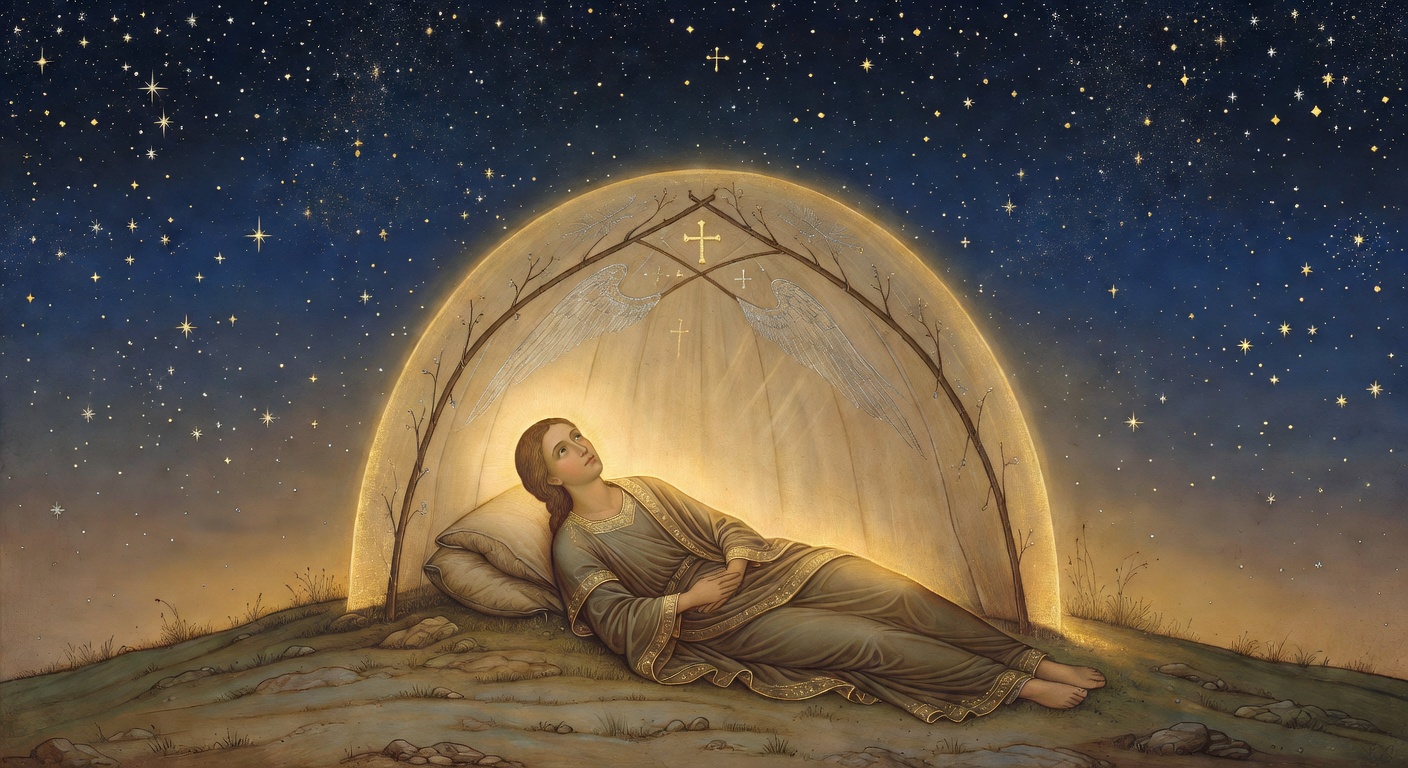
🌙✨ Dear friends in faith, as we journey through our #FearNot220 series, today we turn to verse #60 from the timeless wisdom of Psalm 91:5 – "You shall not fear the terror of the night..." What a profound promise of divine protection in our moments of deepest vulnerability! In a world that often feels shrouded in uncertainty, especially under the cover of darkness, this verse reminds us that God's guardianship never slumbers. It's an invitation to release our anxieties and rest in the assurance that He is our shield against the unseen fears that lurk in the shadows.
Imagine the ancient psalmist, perhaps King David himself, composing these words amid the perils of wilderness nights or royal intrigues. The 'terror of the night' could evoke everything from literal dangers like wild beasts or enemies, to the metaphorical terrors of doubt, illness, or spiritual warfare that assail us when the world quiets down. Yet, the psalm boldly declares we need not fear – not because threats don't exist, but because our Heavenly Father stands vigilant over us.
To deepen our understanding, let's draw from the balanced insights of the Early Church Fathers, who saw in this psalm a foreshadowing of Christ's ultimate victory over fear and evil. St. Augustine, in his Expositions on the Psalms, interprets the 'terror of the night' as the hidden temptations and sins that creep upon us in moments of weakness. He encourages us to trust in God's light, which pierces even the darkest hours, much like the resurrection dawn that conquered the night of Good Friday. Augustine writes that just as Christ did not fear the darkness of the tomb, we too are called to fearless faith, for "the Lord is my light and my salvation; whom shall I fear?" (Psalm 27:1).
Complementing this, St. John Chrysostom, the golden-tongued preacher of Antioch, emphasizes the communal aspect in his homilies. He views Psalm 91 as a hymn of protection for the Church, urging believers to support one another through prayer and fellowship. Chrysostom reminds us that the 'night' can symbolize times of trial in our communities or personal lives, but God's promise extends to all who dwell in His shelter. He balances Augustine's introspective focus by highlighting action: not just passive trust, but active reliance on Scripture and the sacraments to ward off nocturnal fears. Together, these Fathers paint a holistic picture – personal piety intertwined with ecclesial solidarity, all under God's unwavering care.
Friends, in our modern lives, the 'terror of the night' might manifest as insomnia fueled by worries about health, finances, or global unrest. Or perhaps it's the quiet hours when grief or loneliness amplify. But hear this encouragement: You are not alone. God, who knit the stars into the night sky, has etched His protection into your very soul. Lean into prayer, perhaps reciting Psalm 91 before bed, and let His peace envelop you like a warm blanket. Remember the words of St. Basil the Great, another Early Father, who in his homilies on the Psalms speaks of divine providence as a fortress against nocturnal dread, urging us to cultivate gratitude even in darkness, for it is often there that faith grows strongest.
As we embrace this verse, let's commit to being beacons for others facing their own nights of terror. Share a kind word, offer a listening ear, or pray together – for in community, fears diminish. May this promise from Psalm 91:5 infuse your evenings with serenity and your hearts with unshakeable trust. Rest well, beloved, for the One who commands the dawn watches over you.
#FearNot220 #060of220 #Catholic