Fear Not 220
Posted Monday, May 11, 2026 at 06:17 AM
Verse #046 of 220
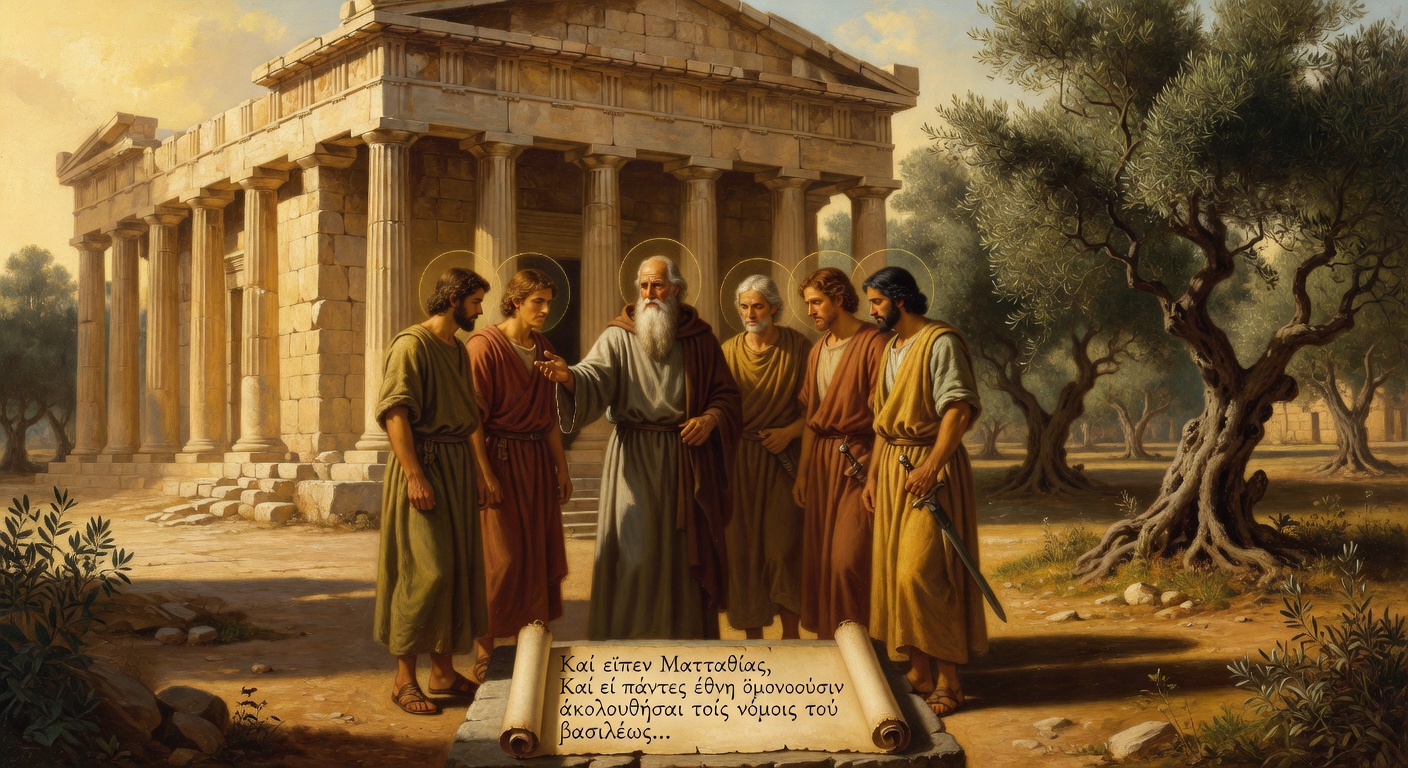
🌟 #FearNot220 Bible Verse #46: "Do not fear the words of a sinful man..." (1 Maccabees 2:62) 🌟
Dear friends in faith, in a world where voices of doubt, criticism, and malice often echo loudly, this verse from 1 Maccabees reminds us of a timeless truth: we need not tremble at the threats or taunts of those who walk in sin. Mattathias, the faithful leader in the Maccabean revolt, spoke these words to his sons, urging them to stand firm against the oppressive decrees of a corrupt king. It's a call to courage, rooted in trust in God's ultimate justice and protection.
Imagine the scene: a time of great persecution, where faithfulness to God's law meant risking everything. Yet, Mattathias encourages his family not to fear the empty words of sinners, for their power is fleeting, while God's promises endure. This isn't about ignoring real dangers, but about anchoring our hearts in divine strength. When we face ridicule for our beliefs, workplace pressures that tempt us to compromise, or societal voices that mock our values, remember: the words of the wicked hold no eternal weight. They are like chaff in the wind, while our foundation in Christ is rock-solid.
Drawing from the wisdom of the Early Church Fathers, let's find balanced insight to bolster our spirits. St. John Chrysostom, that golden-mouthed preacher of the 4th century, often spoke on overcoming fear through faith. In his homilies on the Psalms, he emphasized that fearing man over God leads to spiritual downfall, echoing the Maccabean spirit: "Let us not fear the threats of the ungodly, for their power is but a shadow." Chrysostom balanced this with practical advice—cultivate virtue through prayer and good works, turning fear into fortitude.
On the other side, St. Augustine of Hippo, in his 'Confessions' and sermons, addressed the inner turmoil of fear. He confessed his own struggles with worldly anxieties but found solace in God's grace. Augustine warned against excessive fear of human opinion, which can paralyze the soul, yet he balanced it with humility: recognize our own sinfulness, lest we judge others harshly. Instead, let fear of God—reverent awe—drive us to love and mercy. As he wrote in 'City of God,' the earthly city's threats are temporary; our citizenship is in the heavenly one, where no sinful word can harm us.
St. Basil the Great, another pillar of the early Church, integrated this in his ascetic teachings. He urged believers to detach from worldly fears, balancing contemplation with action. In his letters, Basil encouraged communities facing persecution not to dread slander or false accusations, for God's truth prevails. This balanced approach—inner peace through prayer, outer boldness through charity—mirrors the Maccabean resolve.
So, beloved, let's apply this today. When a colleague mocks your faith, or social media floods with negativity, pause and pray: 'Lord, let not the words of sinners shake me.' Stand tall, knowing you're part of a legacy from Maccabees to the Fathers, all pointing to Christ's victory over fear. You're not alone—God's angels encamp around those who fear Him (Psalm 34:7).
May this verse ignite courage in your heart. Share how you've overcome fear below—we're in this together! 🙏
#FearNot220 #046of220 #Catholic