Fear Not 220
Posted Friday, May 08, 2026 at 10:17 AM
Verse #120 of 220
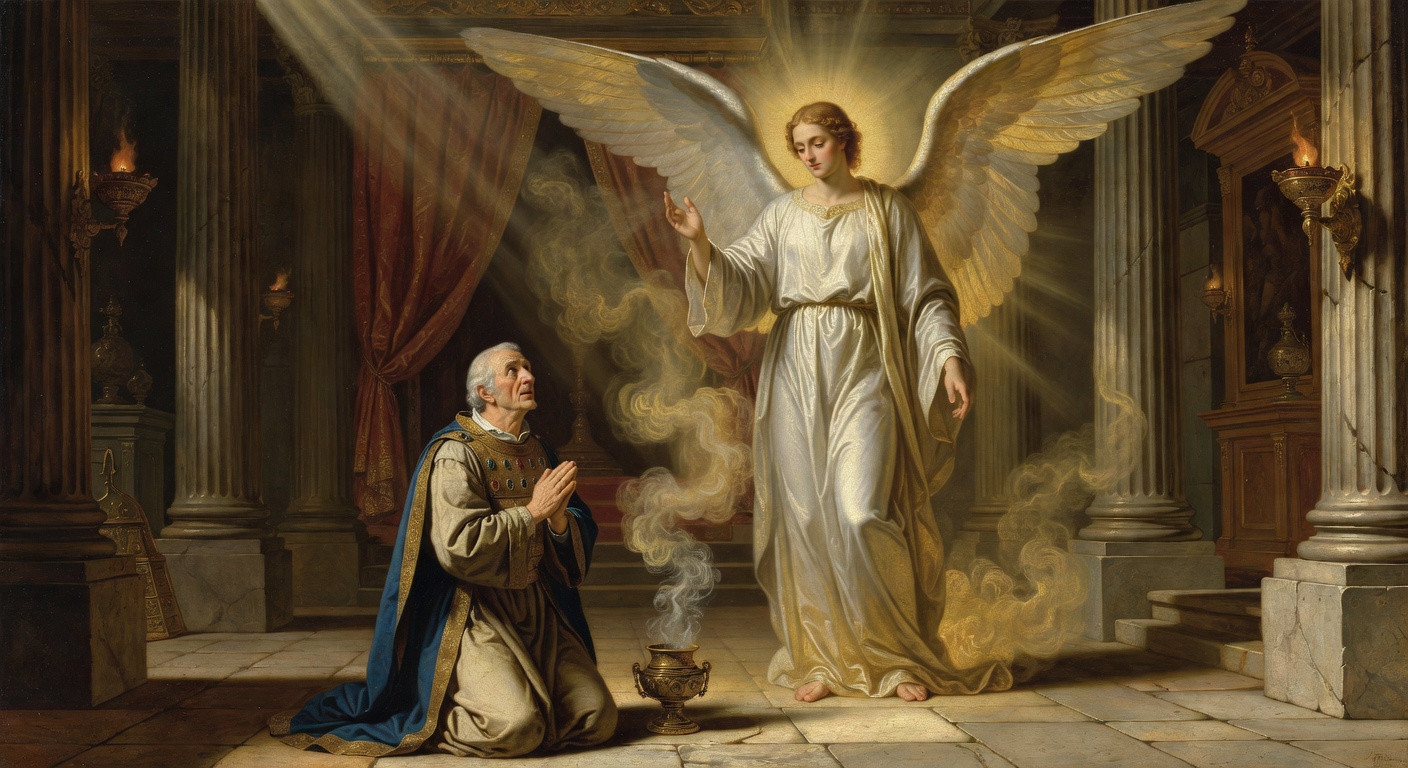
🌟 #FearNot220 Bible Verse #120: "Do not be afraid, Zechariah; your prayer has been heard. Your wife Elizabeth will bear you a son, and you are to call him John." (Luke 1:13)
Dear friends in faith, in the quiet hush of the temple, where incense rose like prayers to heaven, an angel appeared to Zechariah. This devoted priest, advanced in years and childless, was gripped by fear at the divine messenger's sudden presence. But the angel's words cut through the terror: "Do not be afraid." What a profound reassurance! Zechariah's long-whispered prayers for a child were not forgotten; they were about to be gloriously answered with the birth of John the Baptist, the forerunner of our Savior.
This verse speaks volumes to us today. How often do we find ourselves in moments of uncertainty, our hearts pounding with anxiety over unanswered prayers, unfulfilled dreams, or unexpected challenges? Like Zechariah, we might doubt because circumstances seem impossible—age, infertility, or insurmountable odds. Yet, God's message is clear: Do not be afraid. Your prayers have been heard. He is at work, even in the silence, weaving miracles from the threads of our faithfulness.
Let this encourage you: Fear not the waiting seasons. Zechariah's story reminds us that God's timing is perfect, often arriving when we least expect it, transforming barrenness into blessing. In our own lives, whether facing health struggles, financial woes, relationship strains, or spiritual dryness, we can trust that the same God who spoke to Zechariah speaks to us. He hears every plea, sees every tear, and promises to act for our good and His glory.
Drawing from the wisdom of the Early Church Fathers, let's find balanced insight. St. Ambrose of Milan, in his commentary on Luke, emphasizes Zechariah's initial doubt as a human frailty, yet highlights how God's grace overcomes it, leading to praise (as seen in Zechariah's eventual canticle). Ambrose teaches that fear arises from our limited vision, but faith in God's promises dispels it, urging us to persevere in prayer.
On the other hand, St. John Chrysostom offers a complementary view in his homilies, focusing on the angel's gentleness. He notes how divine encounters often begin with "Fear not" to calm our souls, reminding us that God approaches us not as a judge but as a loving Father. Chrysostom balances this with a call to obedience: Just as Zechariah learned through silence, we must listen to God's word amid our fears.
St. Augustine, in his sermons, bridges these by exploring the theme of divine hearing. He reflects on how Zechariah's prayer, though old, was ever fresh in God's ears, encouraging believers to pray without ceasing. Augustine warns against despair, balancing hope with humility, lest we presume on God's mercy without repentance.
These Fathers collectively guide us: Fear is natural, but faith triumphs. They balance caution against doubt with bold trust in God's faithfulness, inspiring us to embrace His assurances.
So, beloved, whatever frightens you today—let it go. Your prayers are heard. Step into the light of God's promise, just as Zechariah did. May this verse fill you with warmth and courage, knowing you're never alone in your journey.
#FearNot220 #120of220 #Catholic