Fear Not 220
Posted Wednesday, May 06, 2026 at 09:17 PM
Verse #091 of 220
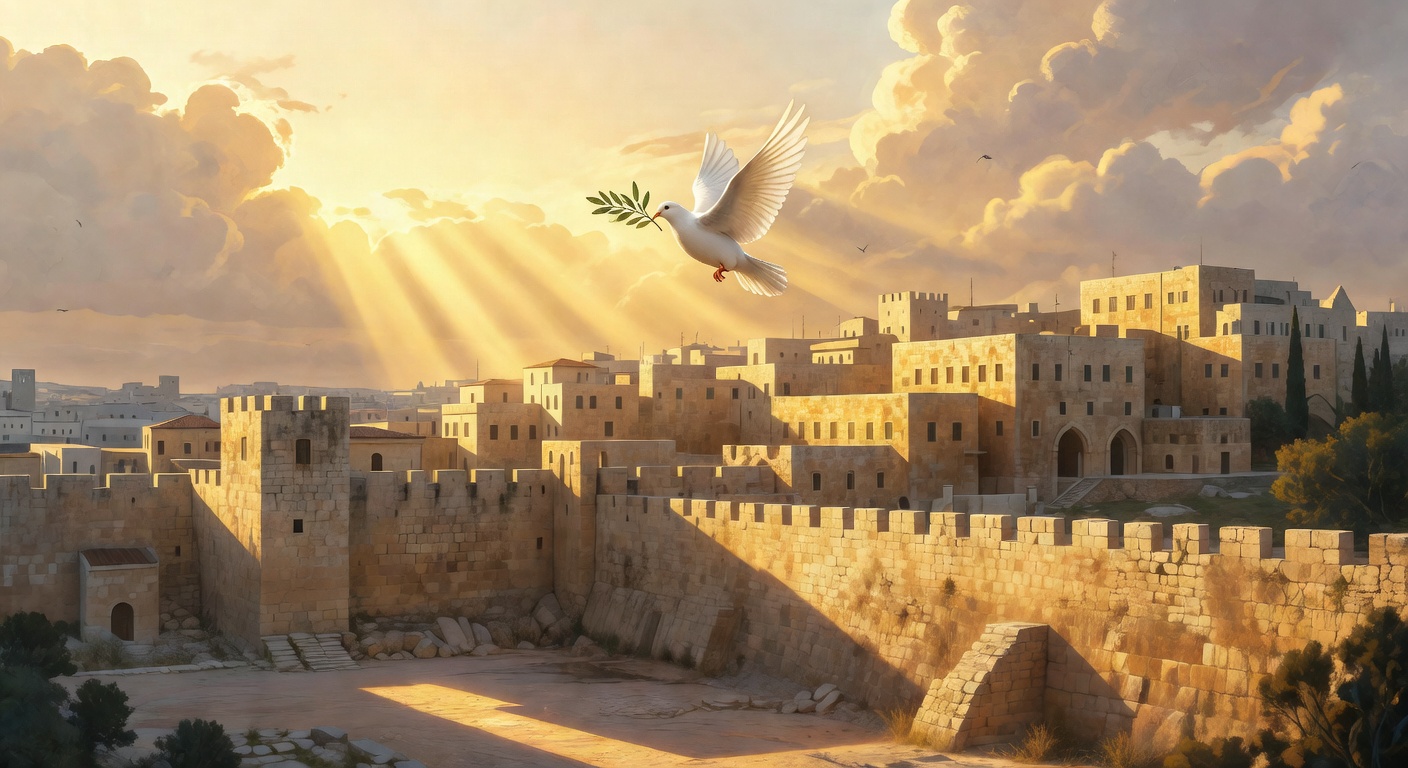
🌟 #FearNot220: Verse #91 - "Fear not, Jerusalem!" (Baruch 4:30) 🌟
Dear friends in faith, in the midst of life's uncertainties, where fears loom like shadows over our hearts, the words of the prophet Baruch echo through the ages with a divine promise of hope and restoration. "Fear not, Jerusalem!" This isn't just an ancient call to a city in exile; it's a timeless whisper from God to each of us, reminding us that no matter how deep our trials, His deliverance is on the horizon.
Let's dive into the context of Baruch 4:30. The Book of Baruch, a deuterocanonical treasure in our Catholic Bible, was written during a time of great sorrow for the people of Israel. Jerusalem, the holy city, had been laid low by invaders, its people scattered and disheartened. Baruch, secretary to the prophet Jeremiah, pens this letter as a message of consolation. In chapter 4, personified as a mourning widow, Jerusalem is urged to take heart because God will vindicate her. The verse proclaims: "Fear not, Jerusalem! He who named you will comfort you." It's a profound assurance that the same God who called us into being will not abandon us in our distress.
This message resonates deeply today. Whether you're facing personal struggles—like financial woes, health battles, or relational heartaches—or broader fears such as global unrest and societal shifts, remember: God names you, knows you intimately, and promises comfort. Fear not! Just as He restored Jerusalem from ruins, He can rebuild the broken areas of your life.
To enrich our reflection, let's turn to the wisdom of the Early Church Fathers, whose insights illuminate this verse with balanced depth. St. Jerome, the great biblical scholar who translated the Vulgate, often emphasized the prophetic hope in Scriptures like Baruch. In his commentaries, he highlights how such texts point to Christ's ultimate redemption, urging believers to trust in God's timing amid exile-like experiences. Jerome reminds us that Jerusalem symbolizes the Church and our souls, called to rise from desolation through faith.
St. Augustine, in his 'City of God,' draws parallels between earthly cities like Jerusalem and the heavenly one, teaching that true security lies not in temporal walls but in God's eternal embrace. He writes of how fear dissipates when we fix our eyes on divine promises, much like Baruch's encouragement to a fearful people. Augustine balances this with a call to repentance, noting that God's comfort follows our turning back to Him— a gentle reminder that our fears often stem from straying paths, yet His mercy invites us home.
And let's not forget St. John Chrysostom, the 'Golden-Mouthed' preacher, who in his homilies on fear and providence, stresses practical courage. Commenting on similar Old Testament themes, he advises: "Let us not be troubled by present evils, for God turns them to our good." Chrysostom balances spiritual insight with everyday application, encouraging us to live fearlessly by serving others, just as Jerusalem was called to renewed glory for the sake of her children.
These Fathers provide a harmonious chorus: Jerome's scholarly precision, Augustine's philosophical depth, and Chrysostom's pastoral warmth. Together, they urge us to embody "Fear not" by anchoring in Scripture, repenting where needed, and stepping out in bold faith.
So, beloved, whatever 'exile' you're in today, hear God's voice: Fear not! He who named you will comfort you. Rise with hope, trust in His plan, and let His light dispel your shadows. Share this encouragement with someone who needs it—perhaps a friend feeling lost or a family member in doubt. Let's build a community of fearless faith!
May this verse from Baruch strengthen your spirit. Until next time, keep fearing not! 🙏
#FearNot220 #091of220 #Catholic