Fear Not 220
Posted Monday, April 20, 2026 at 03:17 PM
Verse #007 of 220
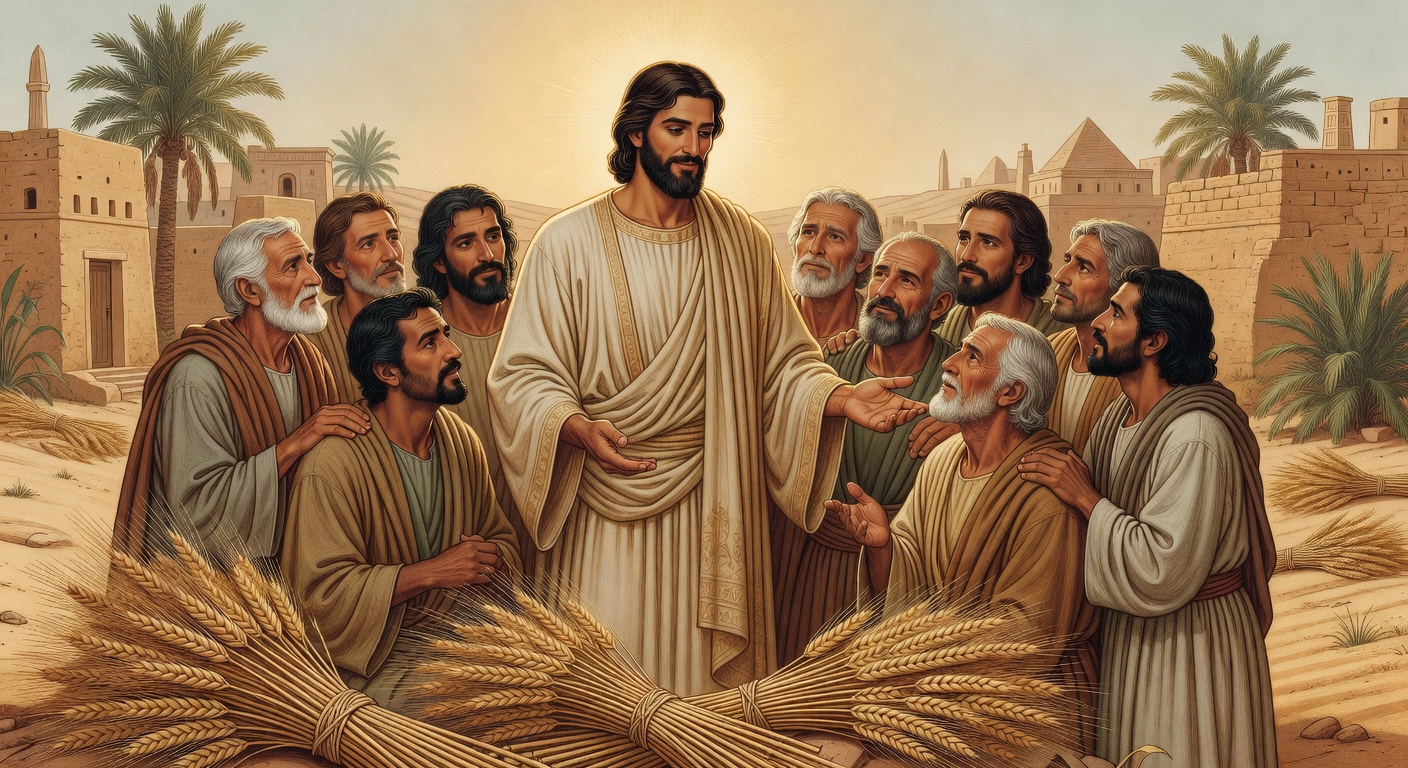
"Therefore have no fear. I will provide for you and for your children." (Genesis 50:21)
Dear friends in Christ, in this UNPLUGGED edition of #FearNot220, let's sit together in the quiet glow of Scripture, like friends around a fireside, delving into the raw, acoustic depths of God's Word. This verse from Genesis captures Joseph's tender reassurance to his brothers after their father's death. Fearing revenge for their past betrayal, they plead for mercy. But Joseph, moved by divine grace, speaks words of profound forgiveness and providence: 'Have no fear. I will provide for you and your children.'
Drawing richly from the Early Church Fathers as compiled in the Catena Aurea and patristic traditions, we uncover layers of spiritual wisdom. St. John Chrysostom, that golden-mouthed preacher, sees in Joseph a foreshadowing of Christ Himself. Just as Joseph was sold into slavery by his brothers yet rose to save them from famine, so Christ was betrayed yet provides eternal sustenance. Chrysostom marvels at Joseph's forbearance: 'He did not merely pardon them but promised to nourish them and their little ones.' This isn't mere human kindness; it's a reflection of God's providential care, turning evil intentions into salvific good (cf. Gen 50:20).
St. Augustine, in his profound reflections on Genesis, emphasizes divine providence weaving through human frailty. In 'De Civitate Dei' and his commentaries, he notes how Joseph's story illustrates God's hidden hand: 'What they meant for evil, God meant for good.' Augustine invites us to see our own lives in this narrative—our betrayals, fears, and unexpected provisions. He teaches that fear dissolves when we trust in God's overarching plan, where even suffering becomes a thread in the tapestry of redemption.
St. Jerome, the scholarly translator of the Vulgate, highlights the familial tenderness here. In his letters and commentaries, he points to Joseph's tears (Gen 50:17) as a model of compassionate leadership. Jerome connects this to the broader biblical theme of God's fatherly provision, echoing the Psalms: 'The Lord is my shepherd; I shall not want' (Ps 23:1). For Jerome, Joseph's promise prefigures the New Covenant, where Christ provides not just earthly bread but the Bread of Life.
Other Fathers like Origen add a mystical layer, viewing Joseph as a type of the Logos, providing spiritual nourishment amid the 'famine' of sin. The Catena's compilation underscores how this verse combats the spirit of fear, urging us to embrace filial trust in God's abundance.
Now, let's connect this to our real lives. In our modern world, riddled with uncertainties—job losses, health crises, family strife—how often do we echo the brothers' fear? Perhaps you've been betrayed, or you're anxious about providing for your loved ones. I've walked through seasons where the future seemed a barren land, much like the famine in Egypt. Yet, time and again, God's provision emerges in unexpected ways: a timely opportunity, a supportive community, or an inner peace that defies logic. Joseph's story reminds us that God's care isn't abstract; it's personal, extending to 'you and your children.' In my own journey, trusting this promise has meant surrendering control, allowing God to transform my 'famines' into feasts of grace.
Beloved, in this intimate moment, hear Joseph's words as Christ's whisper to your heart: Fear not. God will provide. Not sparsely, but abundantly—for you, your family, your dreams. Lean into His providence, forgive as Joseph did, and watch fear unravel in the light of faith. Trust Him today; He's already weaving your story into His eternal good.
#FearNot220 #FearNotUNPLUGGED #007of220 #Catholic